1 / 4
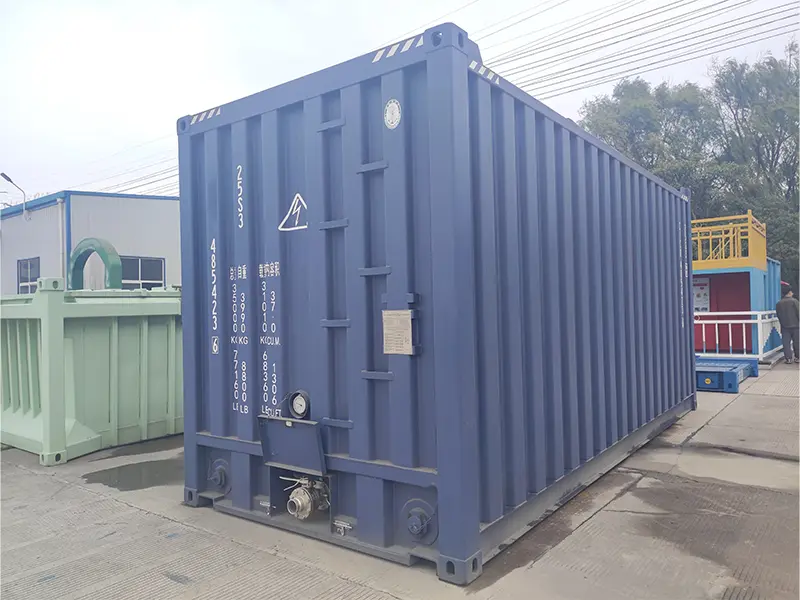
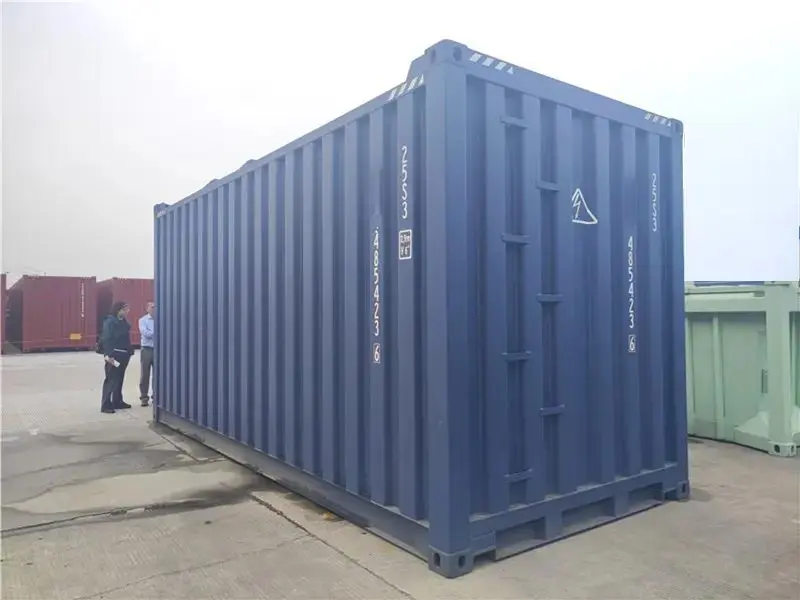
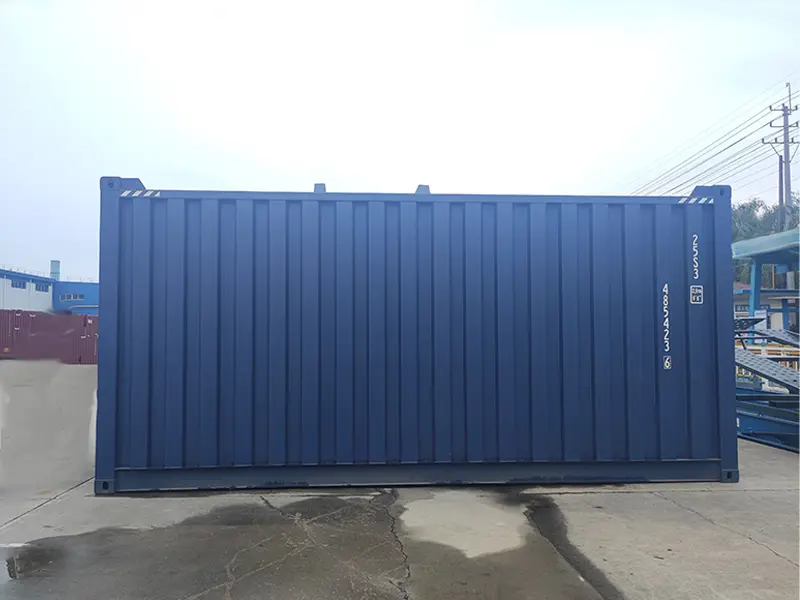
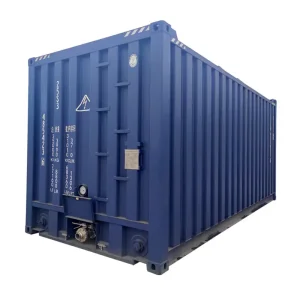
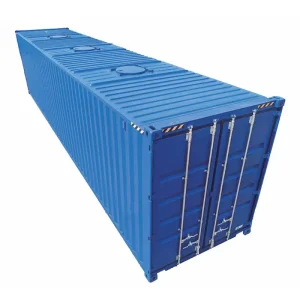
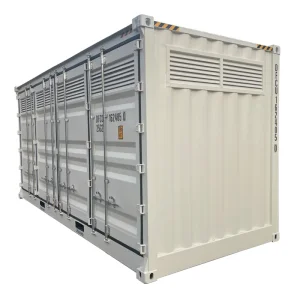
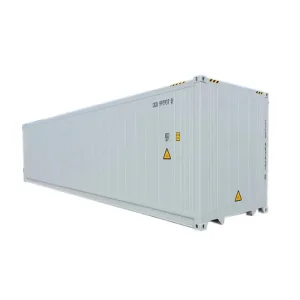
The rectilinear geometry enables ultra-compact consolidation inside shipping vessels and railway freight cars. On container ships, these units stack with zero wasted perimeter space, carrying significantly higher cargo volume compared to traditional round tank containers.
Featuring an inherently low center of gravity when fully loaded, square liquid containers distribute liquid weights evenly over a broad footprint. This structural balance minimizes dynamic sloshing, substantially lowering rollover and leakage risks during sharp vehicle turns or turbulent sea passages.
Equipped with standardized corner locks and fortified structural pillars, these units stack directly in multiple tiers just like conventional intermodal dry cargo containers. This compatibility maximizes warehouse volume, reduces port terminal footprint, and simplifies crane logistics.
The selection depends heavily on the medium and pressure ratings. Square liquid containers excel at transporting ordinary low-pressure fluids at a lower procurement and operational cost, providing higher volumetric payload capacity along with straightforward maintenance routines.
Manufactured with premium high-strength structural frames and certified anti-corrosive metal linings, these containers typically maintain optimal operational reliability for 10 to 20 years under normal maintenance regimes.
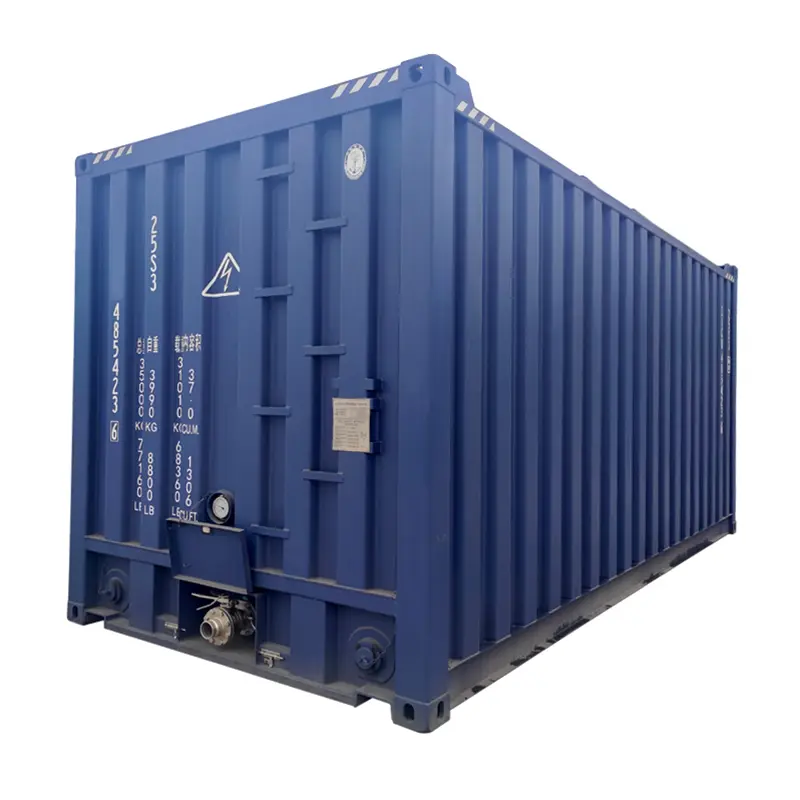
The external protective cage is built from heavy-duty high-strength steel with reinforced corners and multi-directional stiffening ribs. The internal vessel is manufactured from stainless steel or specialized carbon steel lined with corrosion-resistant layers to preserve payload integrity.
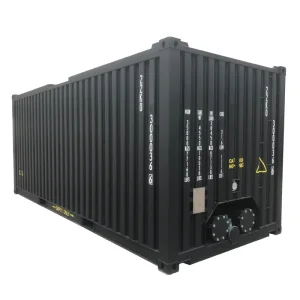
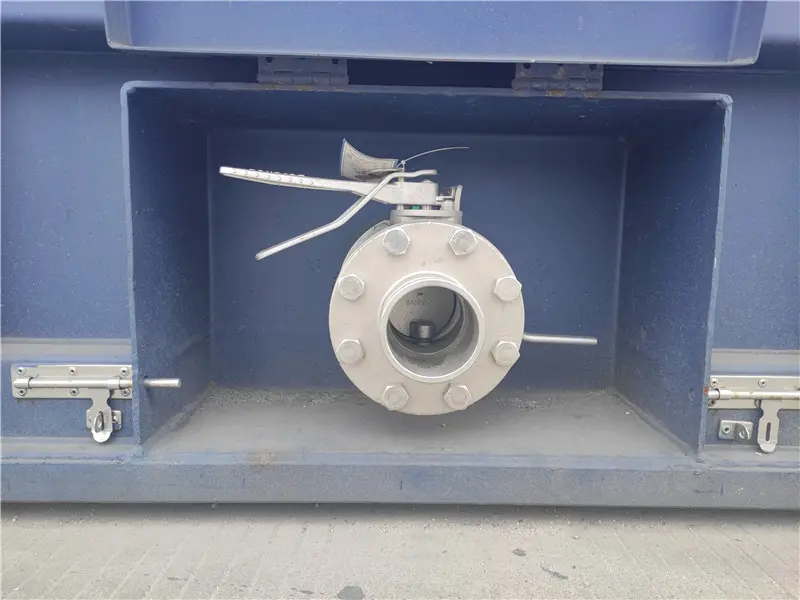
Bottom loading allows fluid transfer via specialized pipe networks at the container base. Entering at a low elevation reduces liquid turbulence, splashing, and vapor expansion, which significantly mitigates ignition hazards and toxic exposure when transferring substances like gasoline.
Yes. Because they adhere to international standard corner casting dimensions and load-bearing framing requirements, square liquid containers can be seamlessly stacked in multiple vertical tiers and handled using standard terminal spreaders, forklifts, and container ship cellular guides.